In the past months, we have witnessed the slow return of travel as restrictions lifted. The startling images of airport queues during summer signalled a return to normality, but this was primarily driven by leisure travellers. The return of business travel has been at a much slower pace. Advancements in technology have reduced the need for business travel. With these advancements, organisations have been able to work with new clients or bid on projects they may not have previously considered due to location.
There remains a significant level of uncertainty for many Northern Ireland businesses, with high levels of inflation, rising interest rates increasing the cost of borrowing, and political uncertainty. These factors provide a timely reminder of the importance of managing cash flow.
The speed of change and its magnitude is continuously evolving, which means that individuals and organisations need to be adaptable to survive – just look back at the pandemic! For change to work and be sustained, it needs to be driven from the inside out, reflecting an organisations’ leadership, culture, values, beliefs and practices.
Fraud is costing business and individuals in the UK millions of pounds annually – with fraudsters stealing a total of £609.8m in the first six months of this year alone. The figures contained in a UK Finance report, are worth considering, in this International Fraud Awareness Week 2022, as we take stock and consider what type of frauds have been occurring and what you can do to help prevent yourself becoming a victim.
Employers have been grappling with the challenges brought about by The Great Resignation for many months now. Added to difficulties associated with finding high-quality candidates in a fiercely competitive hiring market, this trend has seen companies struggle with achieving strategic objectives and pursuing ambitious growth, not due to a lack of business opportunities, but rather a shortage in people available to capitalise on them.
In many of the leadership development programmes that we design and deliver for clients, we take a systemic approach. What does this mean? Systems leadership is about taking the wide-view; considering not only how to lead your team and organisation, but how to influence the wider system, which includes your suppliers, customers, and other external stakeholders.
While listening to the Recruiting Future podcast on a recent holiday, it got me thinking about just how important strategic workforce planning has become.
The events of the last two and a half years have had a monumental impact on all our lives, but as we return to some normality, one of the legacies of the pandemic has been the enduring impact on how we work.
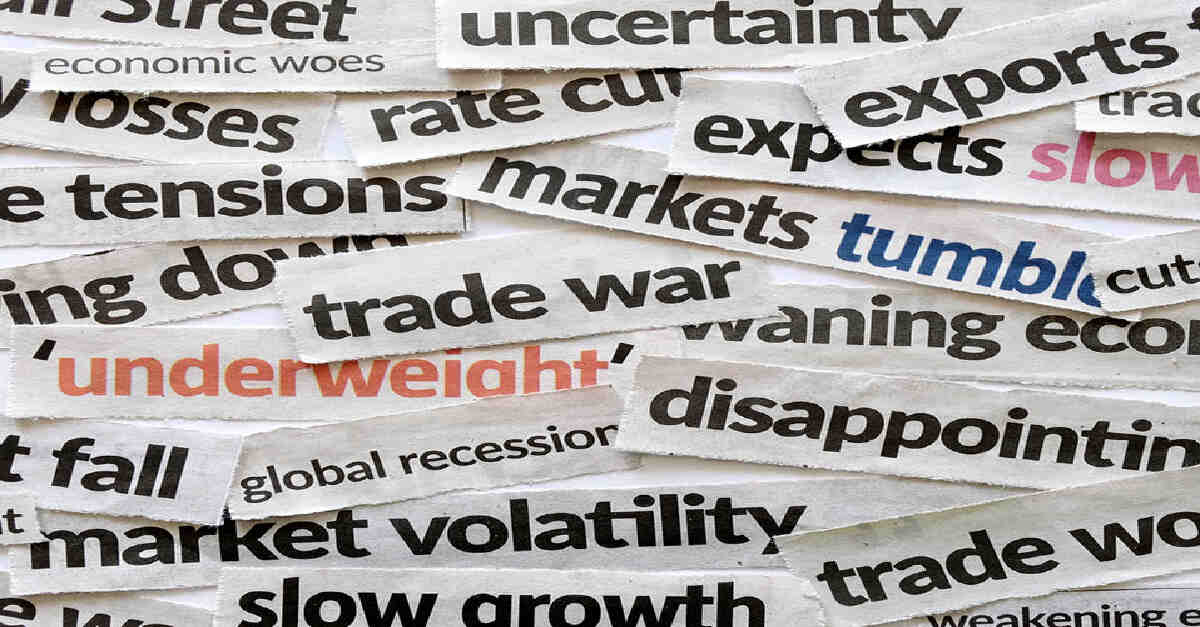
The daily economic headlines currently paint a rather depressing picture, not only for individuals but also for most businesses. The continued economic squeeze, due to rising inflation and reduced demand for products and services, can only lead to more financial distress for the majority of business owners.
Internal fraud is costing businesses millions of pounds – despite the vast majority of perpetrators displaying prominent warning signs.
It would be somewhat optimistic to conclude that, given the government restrictions ordering the public to stay at home in 2020 and 2021,
How do we get more people living in smaller or rural communities, spending less time and money commuting, and protect the environment all at the same time?
As we are all very aware, inflation is currently running at exceptional high levels. In fact, current levels stand at 9.4%, their highest level since February 1982.
If asked, most organisations will assert that they listen to their employees. They may even point you towards a suggestions box, or an annual employee survey that they use. However, what do we really mean by ‘listening’?
We are all painfully aware of the current inflationary pressures, particularly when we see our energy bills.
Is your organisation preparing now for the inevitable arrival of Gender Pay Gap reporting?