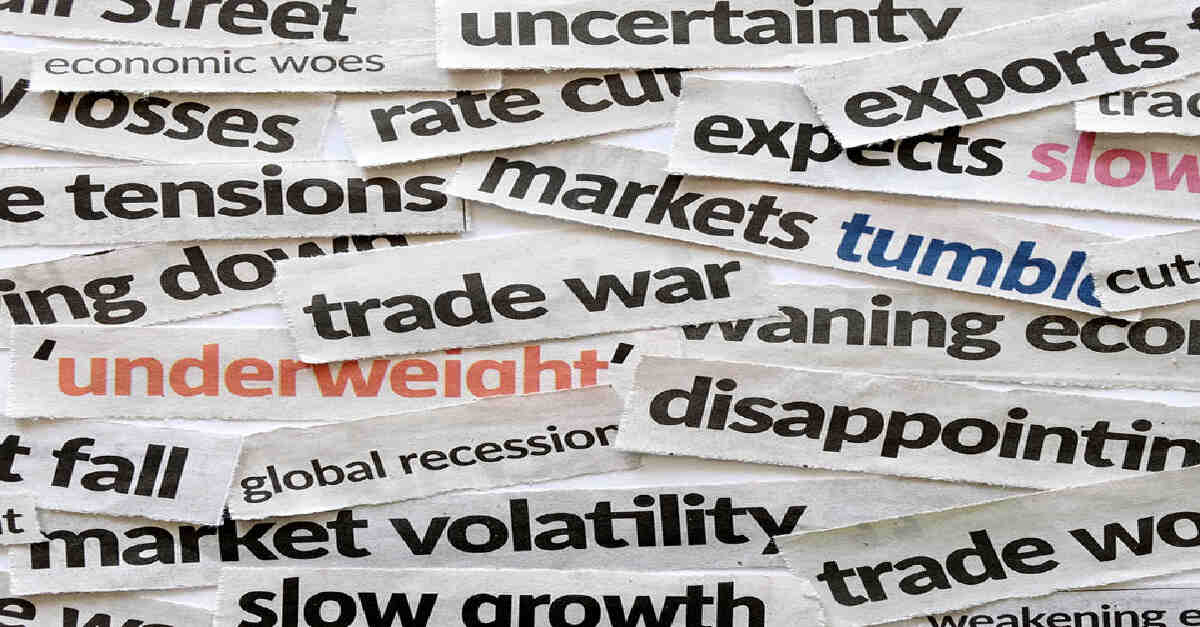
It can seem at times that the news agenda continually switches from one crisis to the next, turning much of what we hear into nothing more than white noise. But the current cost-of-living crisis simply cannot be ignored and is having a deep impact across the economy.
Filter insights by:
Showing 16 of 84 content results
While listening to the Recruiting Future podcast on a recent holiday, it got me thinking about just how important strategic workforce planning has become.
The events of the last two and a half years have had a monumental impact on all our lives, but as we return to some normality, one of the legacies of the pandemic has been the enduring impact on how we work.
The daily economic headlines currently paint a rather depressing picture, not only for individuals but also for most businesses. The continued economic squeeze, due to rising inflation and reduced demand for products and services, can only lead to more financial distress for the majority of business owners.
Internal fraud is costing businesses millions of pounds – despite the vast majority of perpetrators displaying prominent warning signs.
It would be somewhat optimistic to conclude that, given the government restrictions ordering the public to stay at home in 2020 and 2021,
How do we get more people living in smaller or rural communities, spending less time and money commuting, and protect the environment all at the same time?
As we are all very aware, inflation is currently running at exceptional high levels. In fact, current levels stand at 9.4%, their highest level since February 1982.
If asked, most organisations will assert that they listen to their employees. They may even point you towards a suggestions box, or an annual employee survey that they use. However, what do we really mean by ‘listening’?
We are all painfully aware of the current inflationary pressures, particularly when we see our energy bills.
Is your organisation preparing now for the inevitable arrival of Gender Pay Gap reporting?
Business owners should always have an eye on an exit strategy, even if it is not a short-term consideration.
If employee engagement and retaining people is a priority for your business, embarking on a review of your employee policies and handbook is a great place to start – to enhance the overall employee experience.
I often wonder why we make the topic of the employee value proposition so complex, especially now during a period being called ‘The Great Resignation’. Organisations are fighting to keep their top talent, recruit new employees in a very competitive talent landscape, and work on their employer brand, all the while without speaking to their people. Employee expectations, both current and future, shouldn’t be a mystery – we must simply ask people what they need and want.
With restrictions lifting and things returning to, dare I say, ‘normality’, it’s inevitable that a return to the office will be on the horizon for most of us, if it hasn’t happened already. With this return to the office comes tremendous change and uncertainty.
Climate scientists are unambiguous about the need for rapid reductions in carbon emissions to meet the aim of limiting average levels of global warming to 1.5 degrees Celsius.